
When people think about coastal wildlife, gulls are often the first birds that come to mind. However, the term “seagull” actually refers to several different species with their own characteristics. And, while many people associate them with the seaside, modern urban environments have created ideal conditions for gulls to thrive inland as well.
Understanding the different types of seagulls found in the UK can help explain why these birds behave the way they do – and why they shouldn’t nest around buildings and commercial premises.
Below, we explore some of the most common types of British seagulls, where they are typically found, and why their behaviour can sometimes create issues.
Herring Gull
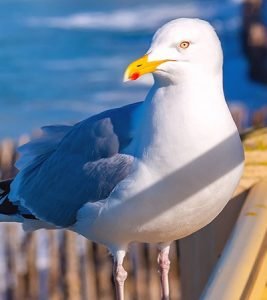 The Herring Gull is one of the most recognisable types of seagull in the UK. With its white body, grey wings, and pink legs, it is the bird most people picture when they think of a gull.
Historically, herring gulls lived primarily along coastlines, nesting on cliffs and feeding on fish and marine life. However, over the past few decades, they have adapted well to urban environments.
Today, they are commonly seen nesting on rooftops in towns and cities. Flat roofs, chimneys, and ledges can resemble the cliffs they would normally use in the wild. Urban areas also provide a reliable food source, from
waste bins to outdoor dining areas.
Lesser Black-Backed Gull
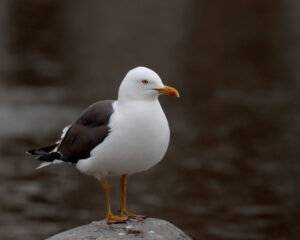 Another one of the common types of seagulls seen across Britain is the Lesser Black-Backed Gull. This species has darker grey or almost black wings and yellow legs, making it slightly easier to distinguish from the herring gull.
Traditionally, these gulls nested on coastal cliffs or marshland. However, like many gull species, they have increasingly moved into towns and cities.
Urban rooftops provide safe nesting areas that are often free from predators.
Lesser black-backed gulls are highly adaptable and are frequently seen around shopping centres, industrial estates, and large commercial buildings.
Great Black-Backed Gull
The Great Black-Backed Gull is the largest of all types of seagulls in the UK. With its impressive wingspan and darker plumage, it is a powerful bird that can dominate other gull species.
This gull typically prefers coastal areas, where it feeds on fish, shellfish, and carrion. However, it can also be spotted inland near large bodies of water, landfill sites, and food-rich environments.
Because of their size and strength, great black-backed gulls can be particularly intimidating when nesting near buildings.
Black-Headed Gull
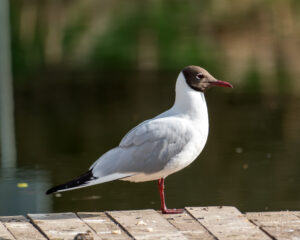
This species is one of the smaller types of British seagulls and is often found near lakes, rivers, reservoirs, and parks. In urban environments, they are frequently seen around car parks, retail parks, and open public spaces where food sources are available.
They are also known for their distinctive calls and agile flight patterns.
Common Gull
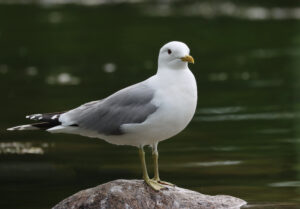 The Common Gull is often mistaken for a young herring gull due to its similar colouring, though it is slightly smaller and more delicate in appearance.
This species prefers coastal regions, estuaries, and farmland, but can increasingly be found inland during the winter months. In towns and cities, they are often attracted to open spaces such as sports fields, car parks, and waste areas where food is accessible.
Despite their name, they are actually less frequently seen in heavily urban environments than some other gull species.
Kittiwake
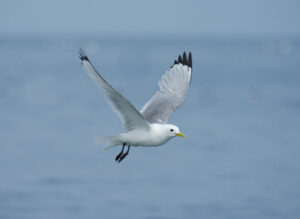
Unlike many other gull species, kittiwakes traditionally nest on steep cliff faces along the coast. However, in some locations they have adapted to urban structures that resemble cliffs, such as tall buildings, bridges, and harbour infrastructure.
These birds are smaller and more delicate than many other gull species and are rarely seen scavenging in the same way as urban gulls.
Why Gulls Can Become a Problem for Businesses
While gulls are an important part of the UK’s natural ecosystem, their presence around buildings can sometimes create serious challenges. One of the most common issues is the accumulation of bird droppings. These droppings are unhygienic and can contain bacteria associated with diseases such as Salmonella, E. coli, and Ornithosis. Over time, droppings can also corrode roofing materials and damage building surfaces.
Nesting materials and debris can block gutters and drainage systems, increasing the risk of water damage. In addition, gulls can become aggressive during nesting season when protecting their chicks.
For commercial premises such as restaurants, warehouses, hospitals, and retail environments, these issues can create hygiene concerns, disrupt operations, and potentially damage a company’s reputation.

Why Are Gulls Protected in the UK?
Often, people are surprised to learn that many kinds of gulls are endangered, and that all gulls are protected under UK wildlife legislation (the Wildlife and Countryside Act 1981). This means it is not legal to simply remove birds or disturb nests without proper justification and licensing.
Responsible bird management must follow strict guidelines designed to protect both the birds and the surrounding environment. This is why modern bird control focuses on deterrence and prevention, rather than harm. Approaches such as bird proofing, deterrent systems, and behavioural management are designed to encourage birds to move elsewhere without causing injury.
Gull Management Solutions
Addressing gull problems requires a carefully planned and compliant approach. Every site is different, and the correct solution will depend on factors such as the building structure, the surrounding environment, and the specific species involved.
Professional bird management solutions may include:
-
- Bird proofing, such as spikes or netting, to prevent roosting and nesting
- Audio deterrents, such as BirdAlert, which use scare tools to prevent birds from approaching certain areas
- Physical deterrents that discourage birds from settling on buildings, such as gels
- Hawking, where trained birds of prey are used to disrupt nesting patterns and encourage gulls to relocate
These methods must be installed and managed by experienced professionals to ensure they remain effective and compliant with wildlife regulations.
Get Help Managing a Seagull Problem
Safeguard Pest Control, part of Orkin UK, has decades of experience providing professional bird management services across England. This includes seagull pest control and management. Our trained surveyors assess each site carefully before recommending the most suitable solution, helping businesses protect their premises while maintaining responsible environmental practices.
If gull activity is becoming a problem around your building, call our team for a quote or enquire online to speak with our experienced bird management specialists.

